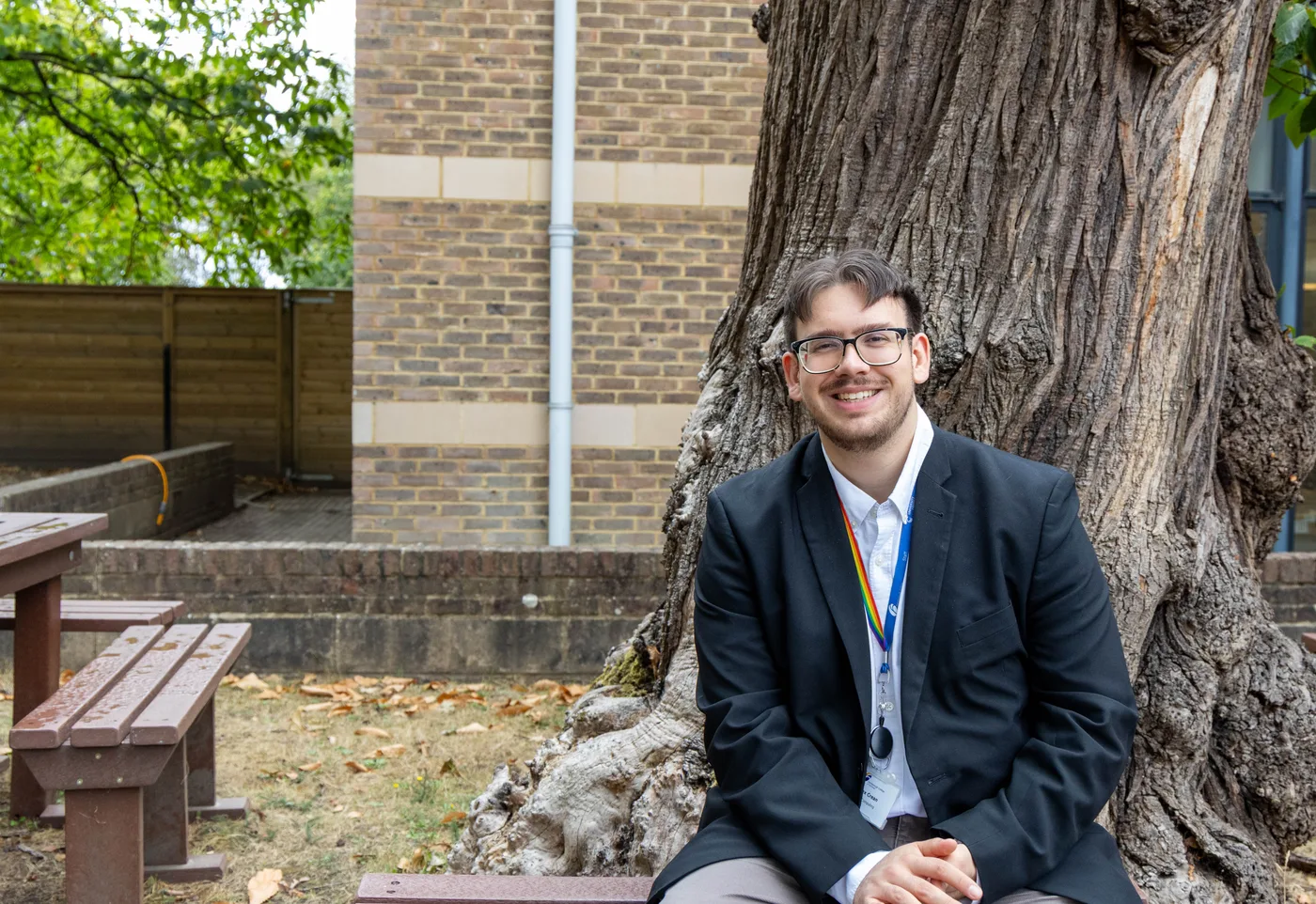

Alex Crean is 22 and teaches computing and game development at Farnborough College of Technology. He and two colleagues explain what pulled them into FE.
Alex Crean is 22, and he is already on the other side of the classroom. He is a Games and Computing FE Trainer at Farnborough College of Technology, helping learners build confidence in computing and game development.
He took the job, he says, because of a teacher who got him through the point where most people give up. Ahead of World Teachers’ Day on Monday 5 October, he and two of his computing colleagues, Michelle Chapman and Andrew Lucas, have set out in their own words why they teach, what they bring from industry and why they think more people with working experience should try it. Their answers reached us through Four Agency.
“Finding something difficult wasn’t a reflection of my ability”
“A teacher had a lasting impact on me during my education by helping me realise that finding something difficult wasn’t a reflection of my ability and giving me the confidence to keep developing my skills,” Alex says. “That experience stayed with me and inspired me to support others in the same way.”

What he is proudest of, he says, is the route into work he can open for learners: “One of the things I’m most proud of as an FE trainer is helping create opportunities for learners who want to pursue a career in Computing and game development. Through technical projects and work experience, I’ve seen first-hand the difference the right support and practical experience can make.”
He has not left the industry behind to do it. “Training others in FE allows me to combine my industry experience with my passion for helping others develop their skills. I’m able to stay connected to the sector through technical projects, which means I can pass on current industry practices and real-world examples.”
Michelle Chapman: 33 years in, inspired by a lecturer
Michelle Chapman, a Computing FE Trainer at the college, has been teaching for 33 years, the agency says. She came to it the same way Alex did.
“My decision to train others in FE was inspired by one of my own lecturers,” she says. “Their enthusiasm, knowledge and support showed me how much of a difference a good trainer can make to someone’s future.”
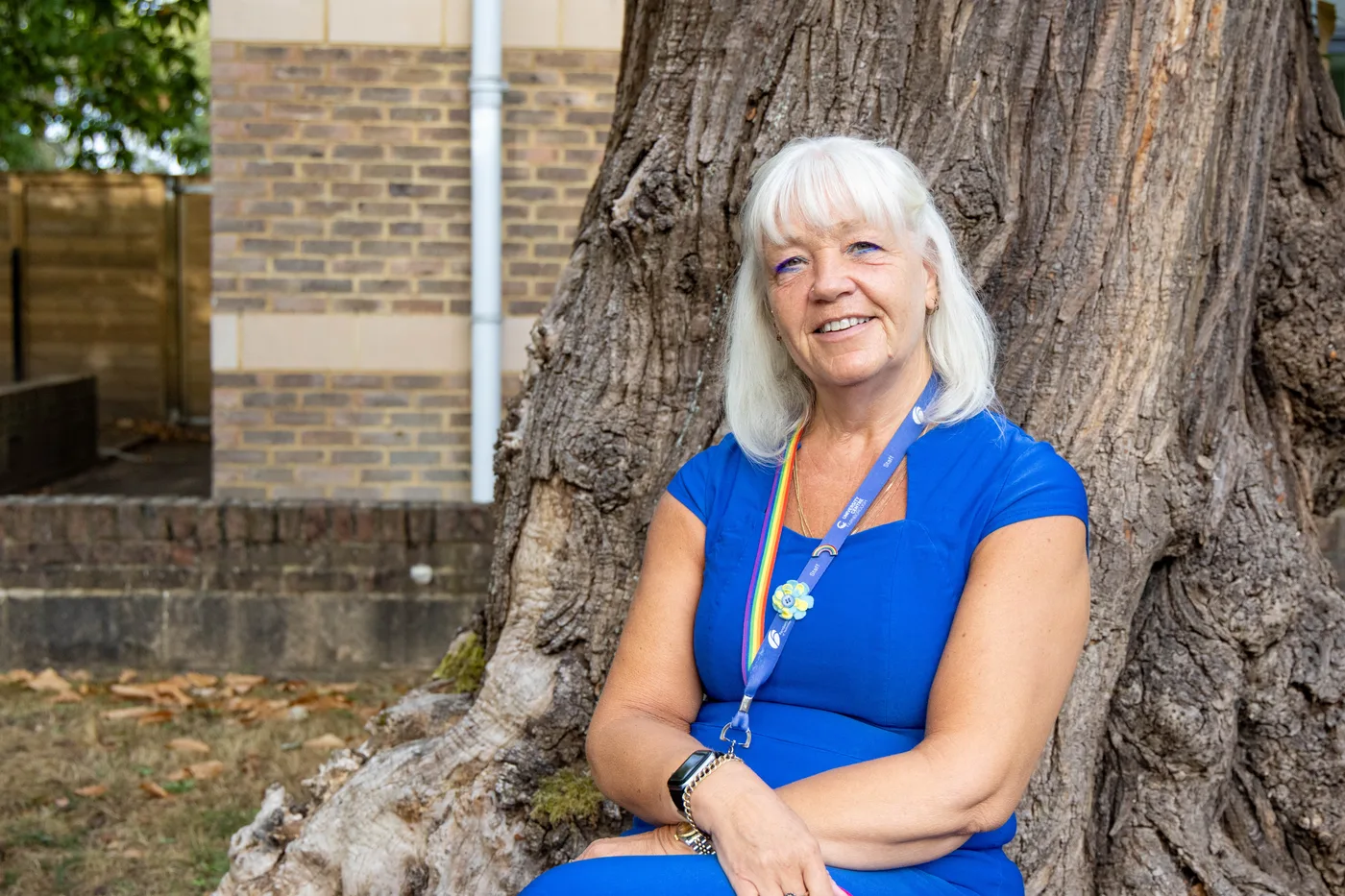
Before she moved into further education she spent six years in IT support and programming. “That experience shapes how I train my learners today. I continue to work closely with employers and industry partners to understand the real-world skills they need, helping ensure learners are prepared for the realities of the workplace.”
The reward, for her, comes later: “As they progress into employment, it’s incredibly rewarding to see them develop the skills, professionalism and confidence they’ll need. Over the years, I’ve had the privilege of watching many learners go on to achieve their ambitions and build successful careers.”
Andrew Lucas: still maintaining a client’s website
Andrew Lucas, also a Computing FE Trainer at Farnborough, worked in IT support and web development before he taught. He spotted the pull towards it at university.
“Looking back, I realised my interest in training others started long before I entered the profession. During my degree, I often found myself helping course mates understand technical concepts. It was one of the first times I recognised the impact that sharing knowledge can have.”
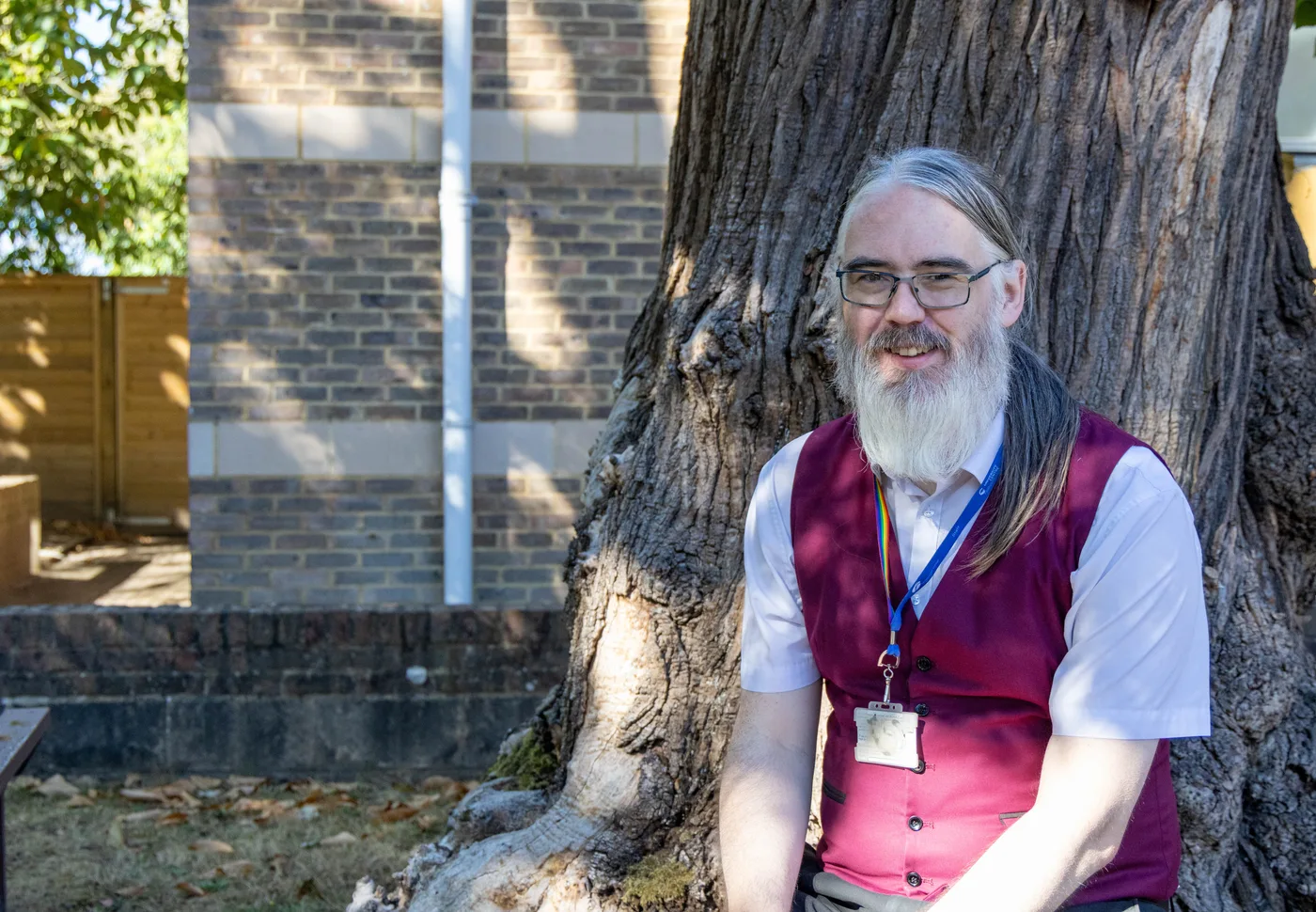
What he likes about further education is who turns up: “One of the things I enjoy most about training others in further education is working with learners who have actively chosen to study the subject and want to build their skills.”
He still does some of the work he teaches. “Alongside my role as an FE trainer, I continue to maintain a website I originally developed for a client and keep up to date with developments across the digital industry, including the rapid growth of AI. That helps ensure that the knowledge I’m passing onto my learners remains relevant and gives them insight into how the sector is evolving.”

What it means for you
All three make the same pitch to anyone in Fleet, Hook or Farnborough who works in a trade or profession: try teaching it.
“I’d encourage professionals from all backgrounds to consider training others at your local college,” Alex says. “Your real-world experience could make you a great FE trainer, and it’s an opportunity to pass on your knowledge to next generation of talent and stay connected to the industry you’re passionate about.”
Andrew’s advice is to start with a conversation: “If you’re curious about training others in FE, get in touch with a local college and explore sharing your professional experience with learners. Colleges value hearing directly from people working in the sector, and it’s a great way to discover whether training others could be the next step for you.”
Michelle puts it most simply: “If you have real-world industry knowledge and a passion for your profession, you already have valuable skills to be a great FE trainer.”
Further education vacancies are listed on the Department for Education’s Teach in Further Education jobs page.
Have your say